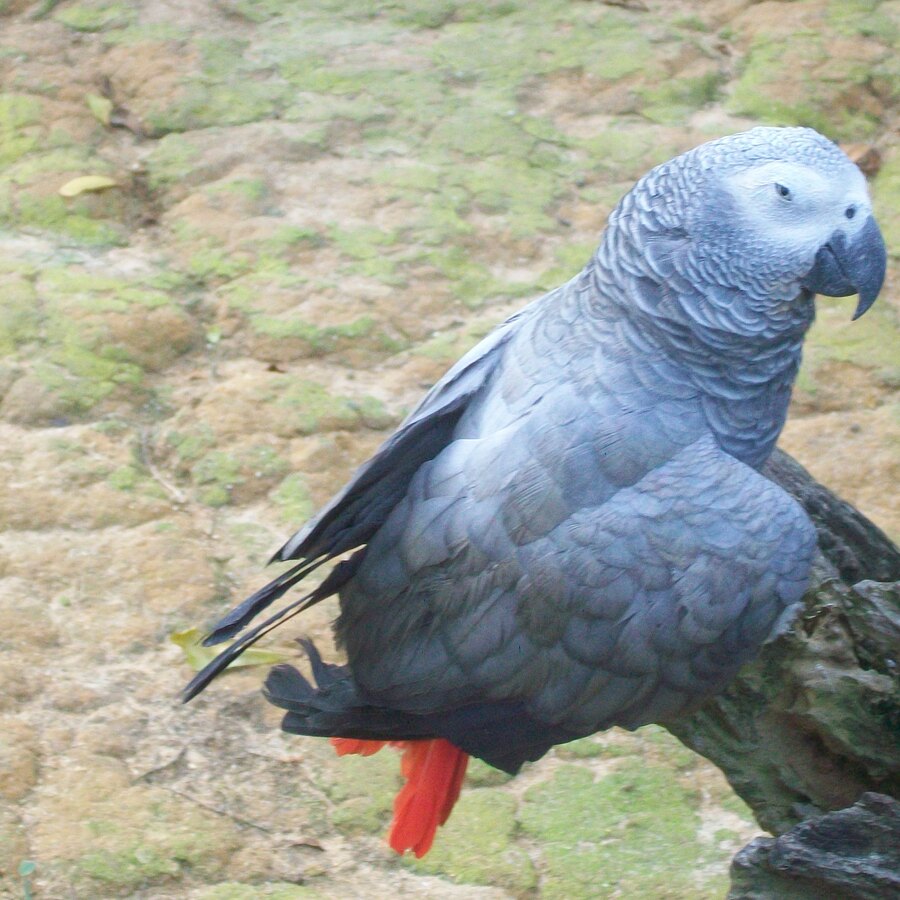
The Seed Myth
For decades, parrots have been primarily fed seed mixes. While they might enjoy the taste, these mixes are often severely lacking in essential nutrients and can lead to serious health problems over time. Most commercial parrot seeds are high in fat and low in vitamins, minerals, and fiber – a recipe for obesity, fatty liver disease, and other chronic issues. Think of it like giving a child only candy; they’ll enjoy the treat initially, but their long-term health will suffer.
- High Fat Content: Seeds are incredibly calorie-dense due to their high fat content.
- Nutrient Deficiencies: They lack crucial vitamins (A, C, D), minerals (calcium, phosphorus), and antioxidants.
- Fiber Imbalance: Insufficient fiber leads to digestive issues.
Building a Balanced Plate
A well-rounded parrot diet should consist of approximately 70-80% fresh fruits and vegetables, 15-20% formulated pellets (specifically designed for parrots), and 5-10% high-quality protein. Let’s break down each component:
- Fruits & Vegetables (70-80%): Offer a wide variety! Greens like kale, romaine lettuce, spinach, and arugula are fantastic choices. Colorful veggies such as carrots, bell peppers, broccoli, sweet potatoes, and peas provide essential vitamins and antioxidants. Fruits like apples, bananas, berries, melon, and papaya should be offered in moderation due to their sugar content.
- Parrot Pellets (15-20%): Choose a high-quality pellet formulated for your parrot’s species. Look for pellets that contain added vitamins and minerals but are not overly processed. These serve as a base, ensuring they receive a foundational level of nutrients.
- Protein (5-10%): Parrots need protein for muscle development and repair. Excellent sources include cooked chicken (unseasoned), hard-boiled eggs, plain yogurt, mealworms (as an occasional treat), and small amounts of tofu.
Vegetable Variety is Key
Don’t just offer one or two vegetables! Parrots are naturally foragers and enjoy a diverse range of flavors and textures. Rotate your vegetable offerings regularly to ensure they receive a broad spectrum of nutrients. Introducing new vegetables gradually can help prevent digestive upset.
- Leafy Greens: Provide daily portions.
- Root Vegetables: Steam or lightly cook for easier digestion.
- Cruciferous Vegetables (Broccoli, Cauliflower): Offer in small amounts as they can sometimes cause gas.
Important Considerations
Remember to always wash fruits and vegetables thoroughly before feeding them to your parrot. Avoid avocado, chocolate, onions, garlic, caffeine, alcohol, and salty foods – these are toxic to parrots. Consistent access to fresh water is also paramount. Offer multiple sources of fresh water to encourage hydration.
- **Gradual Changes:** Introduce new foods slowly to allow the digestive system to adjust.
- Portion Control: Adjust portion sizes based on your parrot’s activity level and individual needs.
- **Observation:** Monitor your parrot’s droppings for any signs of digestive upset, which could indicate a need to modify their diet.