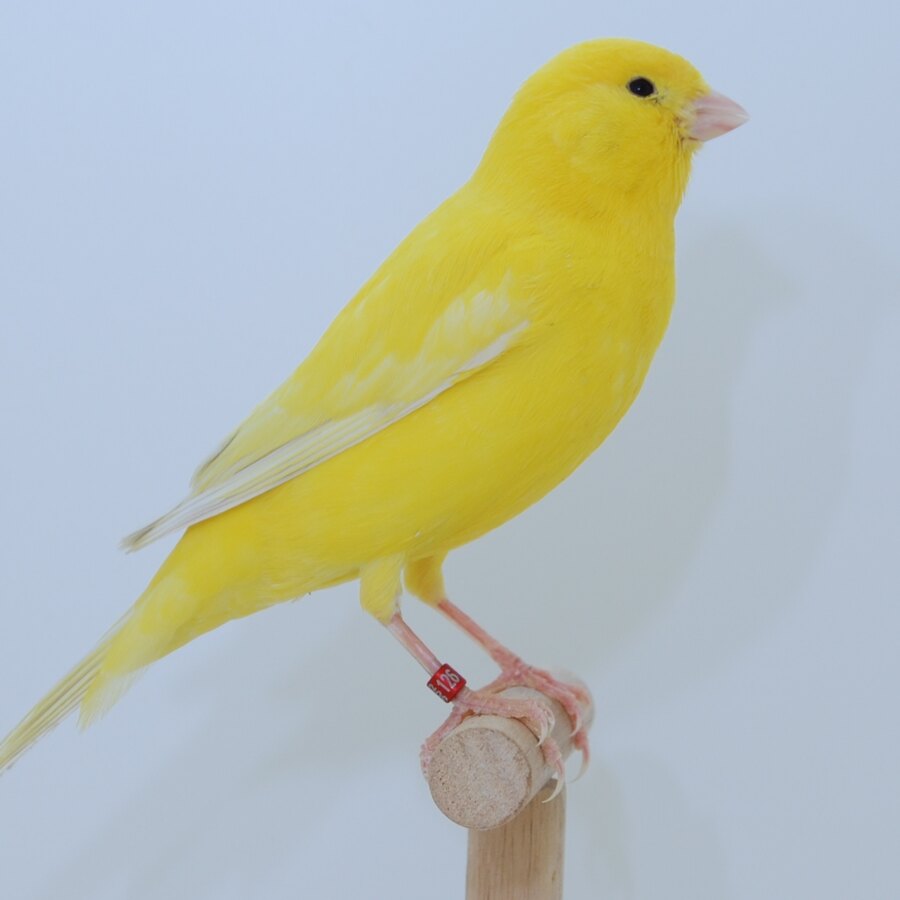
Decoding Canary Song
Canaries are renowned for their beautiful songs, but the complexity of those melodies isn’t simply about a bird's mood or environment. A significant portion of a canary’s song potential is determined by its genes. While many factors contribute to vocalization—including age, health, and social interaction—genetic inheritance dictates the range of notes, trills, and rhythms a particular canary will be capable of producing. Male canaries are naturally more vocally inclined than females, driven by hormonal influences which stimulate their syrinx (the avian voice box) during breeding season.
- Syrinx Structure: The shape and size of a canary’s syrinx play a vital role. Larger, more complex structures generally allow for greater vocal flexibility.
- Hormonal Influence: Testosterone dramatically increases song production during breeding season.
- Learning & Socialisation: Young canaries learn by imitation, so a stimulating environment with opportunities to hear other birds sing will further develop their skills.
Colour Mutations – A Genetic Palette
Canary colour mutations are fascinating examples of how genetic variations lead to diverse appearances. These aren’t ‘new’ colours, but rather different versions of existing pigment genes. The key players here are the *C* and *Db* genes—these control melanin production, which dictates the intensity and distribution of yellow, red, and brown pigments. A canary inherits two copies of each gene (one from each parent), resulting in a wide range of possible colour combinations.
- C Gene: This gene controls the amount of pigment produced. ‘C’ alleles result in full pigmentation, while ‘c’ alleles lead to partial colouration (e.g., blue canaries).
- Db Gene: This gene determines whether red pigments are expressed. ‘Db’ allows for red coloration, while ‘db’ blocks the production of red pigment.
Common Colour Mutations Explained
Here's a breakdown of some common mutations you might find:
- Blue (cDb/Db): A classic mutation where yellow is replaced with blue.
- Red (c/Db): Yellow is muted, resulting in a reddish hue.
- Flesh-coloured (c/cb): The most extreme colouration reduction; very little pigment produced.
- Each-fault (c/cDb): A subtle shading of the base colour, often appearing as light grey or fawn.
Combining Colour and Song Potential
It’s important to note that colour mutations don't directly impact a canary’s song potential in most cases. However, some mutations *can* subtly influence syrinx structure or hormone response, which might indirectly affect song characteristics. For instance, certain colour variations may have slightly altered syrinx shapes. Furthermore, breeders actively select for specific colour and song combinations, leading to the development of breeds with predictable traits. Understanding these genetic relationships is crucial for responsible breeding practices that prioritize both healthy birds and desirable characteristics.