Embarking on Your Avian Adventure
Bringing a bird into your life is a wonderfully rewarding experience, filled with vibrant colors, cheerful songs, and captivating personalities. However, it’s also a significant commitment that requires careful planning and understanding. Choosing your first pet bird isn't just about picking an attractive creature; it’s about ensuring you can provide the specific environment and care they need to thrive for many years to come. This guide will walk you through key considerations to help you make the best choice.
Species Selection – Size Matters (and So Does Personality!)
The first crucial step is selecting a species that aligns with your lifestyle and experience level. Not all birds are created equal, and some require considerably more attention than others. Here's a breakdown of popular choices for beginners:
- Budgies (Parakeets): These small, intelligent birds are incredibly popular due to their friendly personalities and relatively low maintenance needs. They’re vocal and enjoy interacting with their owners but still need regular interaction and mental stimulation.
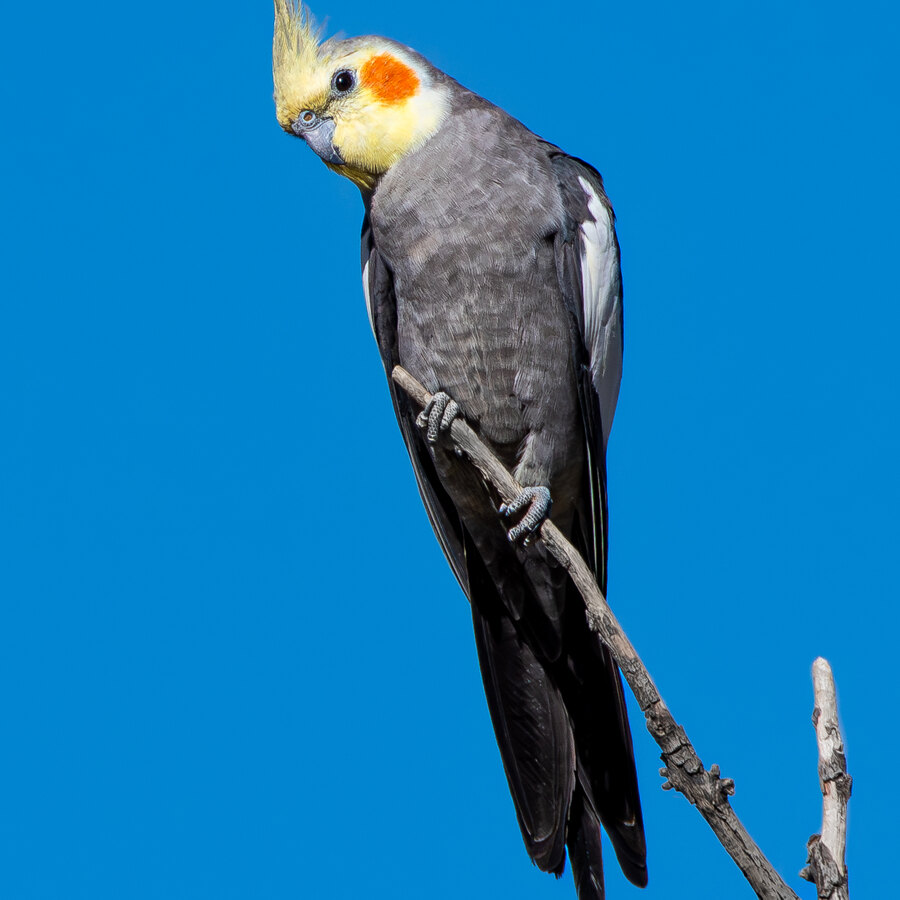
- Cockatiels: Known for their charming crests and whistling abilities, cockatiels are affectionate companions. They require more attention than budgies but are generally quieter and less demanding of constant vocalization.
- Canaries: Primarily known for their beautiful songs, canaries are relatively low-maintenance pets. However, they don’t typically enjoy interaction and prefer a quiet environment.
- Lovebirds: These small parrots are social and playful but can be prone to nipping if not properly socialized from a young age. They thrive with companionship.
Important Note: Larger parrot species, such as macaws or cockatoos, typically require specialized care, larger enclosures, and significant financial investment, making them generally unsuitable for first-time bird owners. Research the *adult* size of any bird you’re considering - many smaller birds grow substantially.
Housing & Environmental Needs
A properly prepared home is paramount to your bird's well-being. Here are some essential elements:
- Cage Size: Choose a cage that’s large enough for your chosen species to move around comfortably and exercise, considering wingspan and climbing space. The larger the better!
- Perches: Provide a variety of perches – natural wood, rope, and plastic – to promote foot health and prevent arthritis.
- Food & Water Dishes: Use stainless steel or ceramic dishes that are easy to clean.
- Substrate: Opt for paper-based cage liners or non-adhesive surfaces. Avoid sand or corn cob bedding, which can be harmful if ingested.
- Enrichment: Birds need mental stimulation! Offer toys, foraging opportunities, and regular interaction.
Maintaining a consistent temperature (around 70-80°F) and humidity level is also crucial. Providing adequate ventilation is equally important.
Long-Term Commitment & Costs
Birds can live for several decades with proper care, so be prepared for a long-term commitment. Beyond the initial cost of the bird and its cage, ongoing expenses include food, toys, veterinary care (avian vets are specialized!), and potential environmental modifications. Budgeting accurately is vital.
- Veterinary Care: Find an avian veterinarian *before* you bring your bird home – regular checkups are essential for preventative health measures.
- Diet: Offer a high-quality, formulated bird food supplemented with fresh fruits and vegetables.
- Socialization & Training:** Invest time in socializing your bird through positive reinforcement training methods.
Choosing your first pet bird is an exciting adventure. Thorough research and realistic expectations will set you—and your new feathered friend—up for a long, happy life together.